Meet D and me. D had a heart attack September 21, 2009. He was 42 years old, and his heart attack put us on the fast track to heart surgery, rehab, and, ultimately, culinary experimentation and better eating.
Ok, why am I blogging about heart-healthier recipes NOW? Why wait 4 years? Frankly, it takes a while to build a pantry of tried-and-true recipes. But the immediate reason is this: a friend's husband recently had a massive heart attack. My co-workers wanted to make food for the family so that his wife (our fellow co-worker) could focus on him and not on cooking during his first days at home after his month-long hospital stay. The problem? Most of us always send--what? come on! you know what!--casseroles! Yep, casseroles full of cheese and cream soups and salt and canned veggies and other high milk fat dairy products like sour cream! And all, I mean all, of that stuff is off limits for a heart patient. Consequently, some of my co-workers came to me and said, "Your husband had a heart attack. What do you cook?" And that got me thinking... maybe people would like to try better-for-you recipes by a real, regular cook/working mom. So here we are.
For the first months after my husband's heart surgery--triple bypass--I tried an exclusively no-salt-no-fat added diet. My husband's verdict? "Nikki, this food is making me wish I'd died. You've got to let me eat something good [read: familiar]."
See, I made the mistake of trying to cut every pre-9/21 dish out of our diet even though the dietician at the hospital looked at our food diary and told us we really weren't doing too badly before the heart attack: "You make food from scratch, not too much processed food. Good. Too much cheese. Bad. Stop that. Even 2% milk is too much milk fat. Skim from now on." etc and etc...
Darin's plea from the heart made me realize I had to get creative. And so...
This blog chronicles my effort to make "better for you" food for D based on the foods he already knew and loved before 9/21. No, I don't know the calorie counts, fat grams, or sodium levels of these recipes. This is real life, and I am a real cook. I am not a dietician or a scientist. I don't have a dietician or scientist on retainer to analyze my recipes. I only know that I have cut the sat fat, cholesterol, and/or salt and have managed to preserve a reasonable--and often delicious--level of edibility.
Disclaimers:
NO, some of these foods are not fat-FREE. They are also not sodium-FREE or cholesterol-FREE. And they are not necessarily lo-cal.
I did not create the recipes from scratch. Many of them are altered versions of recipes I have used for years. In addition, since 9/21, I have become a shameless thief and manipulator of recipes. I have cribbed them from blogs and Weight Watchers and cookbooks and product labels and have altered all of them. They are reduced-fat and reduced-sodium and better for you. In fact that's what I call all of my heart-healthier recipes: better-for-you.
Is every single recipe good for you? Nope. But every single one of them is better for you than the original that you might have LOVED before your heart attack and that you might still crave. You can eat them knowing you could do a lot worse! Eat them without guilt? Weeellll... not every single one. But life is short (how well my husband I and I know it), and sometimes, LESS guilt is better than no guilt.
More Disclaimers:
If you want to cook heart-healthy foods, you must prep and cook almost all food yourself. Boxed foods, mixes, and most canned/jarred foods and sauces must go (unless you can them yourself--more on this in a later post). Most casseroles must go. No more vegetables from a can. No more salad dressing from a bottle. Crazy-cheezy deliciousness must go. Most restaurant foods and fast foods must go. Boneless, skinless chicken breasts and fish will become your protein staples.
Knives and cutting boards and mixing bowls and spices will become your close friends. Yep. Get ready, friends, because even if you have never been a cook, you're gonna learn, and fast.
We are not sweet eaters at our house, so you won't find many dessert recipes on this blog. Sorry 'bout that. And the sweets I post are not lo-sugar because sugar is the one thing we do not have to reduce in this house [all together now: thank goodness!].
I am an experimenter and a dump-cook. I am not organic, and I am not gluten-free, but if you are, hey! Live and let live, I always say. Take what you can get from my blog and ignore the rest.
I am a user-of-what-is-in-the-fridge. I am not brand loyal. If you like off-brands, use them! I sure do.
Sometimes, I will blog about food-finds and cooking products that I love.
I will post the original recipe and its creator/publisher if I know them.
I don't know the first thing about blogging recipes, so I don't know how to do the "print" button so that readers print only the recipe in a neat recipe-shaped box, etc. Maybe I can't do that even if I tried using blogger.com. Maybe I won't always use blogger.com. But I've blogged on this platform before, and it's free, so that's what you're gettin' for now.
Some of you will come to this blog later in its life and you will not see this first post and you will not understand that I make no specific "food-guru" claims. You will then make remarks in the comments about how I am uninformed and how the nutrition information is lacking in my recipes. I've seen how you operate. I know who you are. I have a computer. I have a kitchen. I can cook, and I have two words for you: shut up. This is not your circus, and I am not your trained monkey. And on that note, we begin!
Ok, I said "few desserts and sweets," but I'm offering up one right off the bat because D loves them and they were one of my first post-9/21 successes. When I presented the finished product to him and said he could eat them because they had only "good fat", D actually kissed me. Right on the mouth.
Crispy Cereal Treats
Original Recipe for Kellogg's Rice Krispie Treats Here
6-8 c crispy rice cereal
10 oz bag of marshmallows
1/4 c extra light tasting olive oil or canola oil (I use olive)
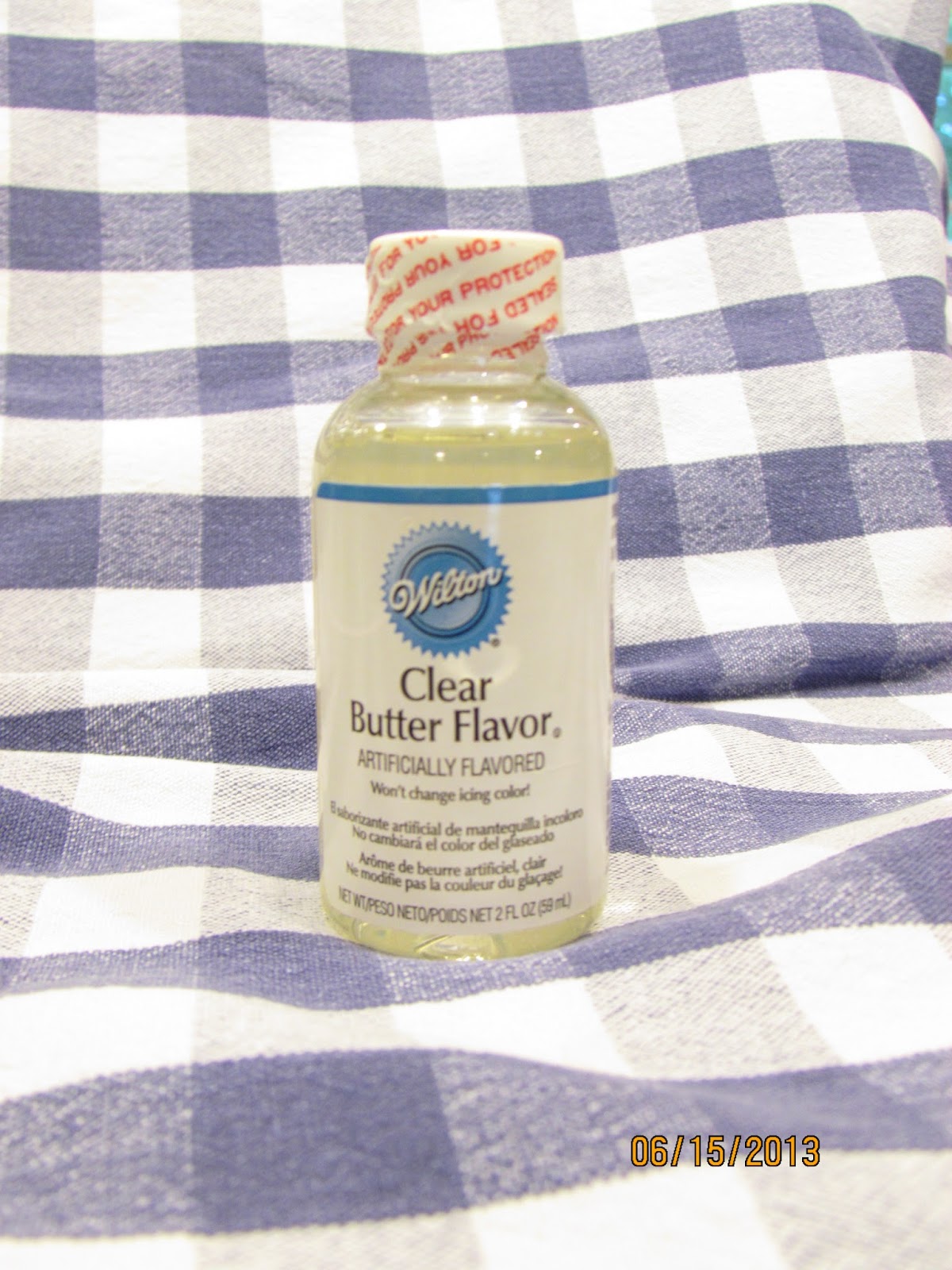
1 tsp butter flavoring [I use Wilton Clear Butter Flavor]
1. Lightly spray a large microwave-safe bowl with Pam non-stick cooking spray. [OK, everyone. That's the last time I ever type "Pam non-stick cooking spray" on this blog. If you see "Pam", assume it's Pam non-stick cooking spray unless I tell you otherwise. Thank you.] I use a Tupperware Thatsa Bowl because it has a rockin' thumb-gripper hole so I can hold it against my gut and really get after the stirring.
2. Microwave marshmallows and oil together in a large bowl for 2 minutes. [Microwaves vary. Mine is a Kenmore over-the-stove 1000-watt job. All times on this blog are accurate for MINE, not YOURS. Pay attention the first time you melt mallows. They are GROSS if you burn them. Just sayin'...]
3. Stir using a rubber spatula lightly sprayed with Pam.
4. Microwave for 1 more minute.
5. Stir in butter-flavored extract.
6. Stir in cereal.
7. Press cereal mixture into a 9x13" pan and allow to cool.
8. Cut into bars and enjoy! I promise you, no one will know you've altered this recipe. My husband is a crispy cereal treat connoisseur and he thought I had gone off-the-plan when I gave him these treats. Nope. I'm just that good, dear!
Notes: If I'm in the mood, I'll use more cereal and more mallows (but not more oil/butter flavor) and make a BIG batch. Like for birthday parties or something like that.